
(Minghui.org) Young practitioners attended a Falun Dafa Youth Summer Camp at National Cheng Kung University in Tainan, which was held on July 25-26, 2026. They read the Falun Dafa teachings, did the exercises, reflected on their cultivation experiences, and discussed how they could better align themselves with Falun Dafa’s principles of Truthfulness-Compassion-Forbearance.
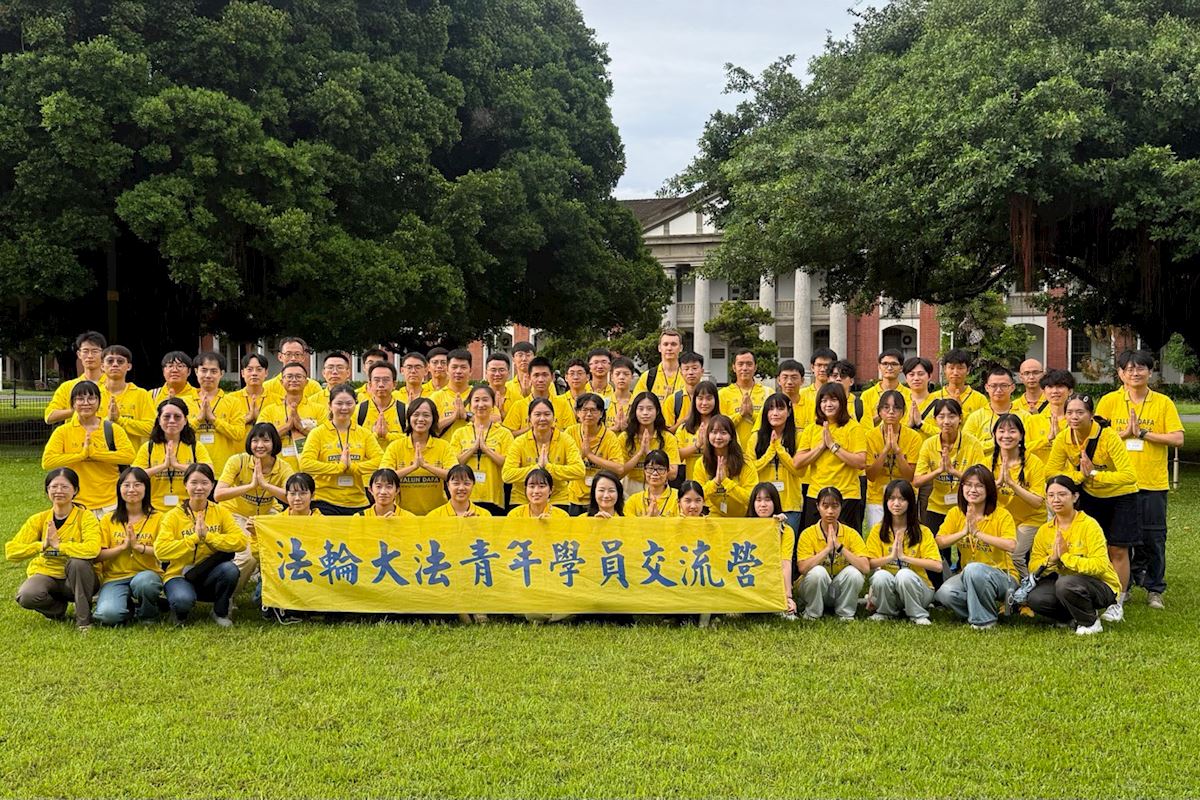 Young practitioners participated in the 2026 Falun Dafa Youth Summer Camp in Taiwan. (Minghui.org)
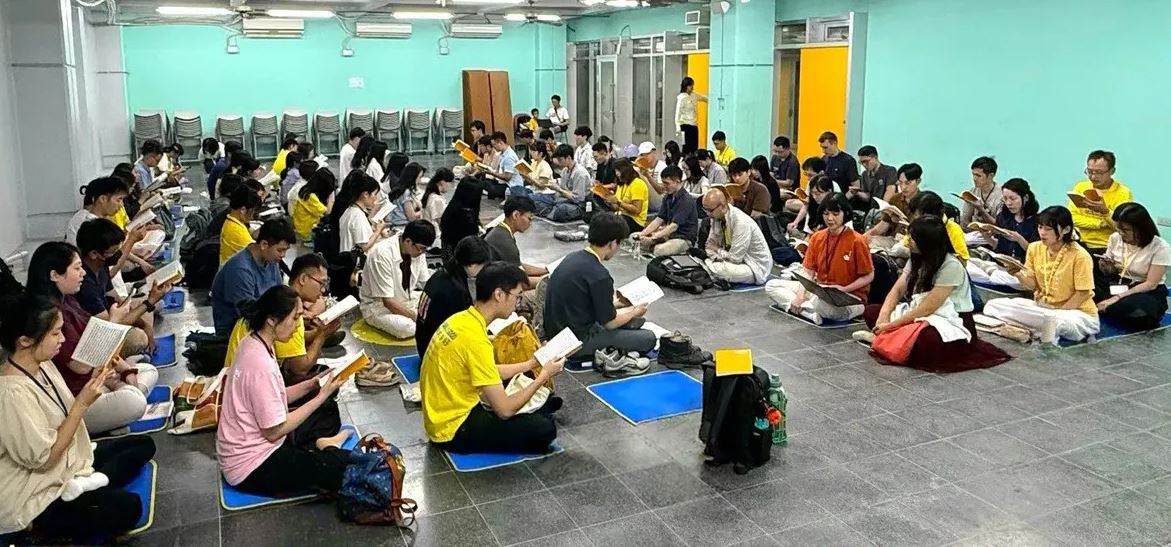 Camp attendees read the Falun Dafa teachings. (Minghui.org)
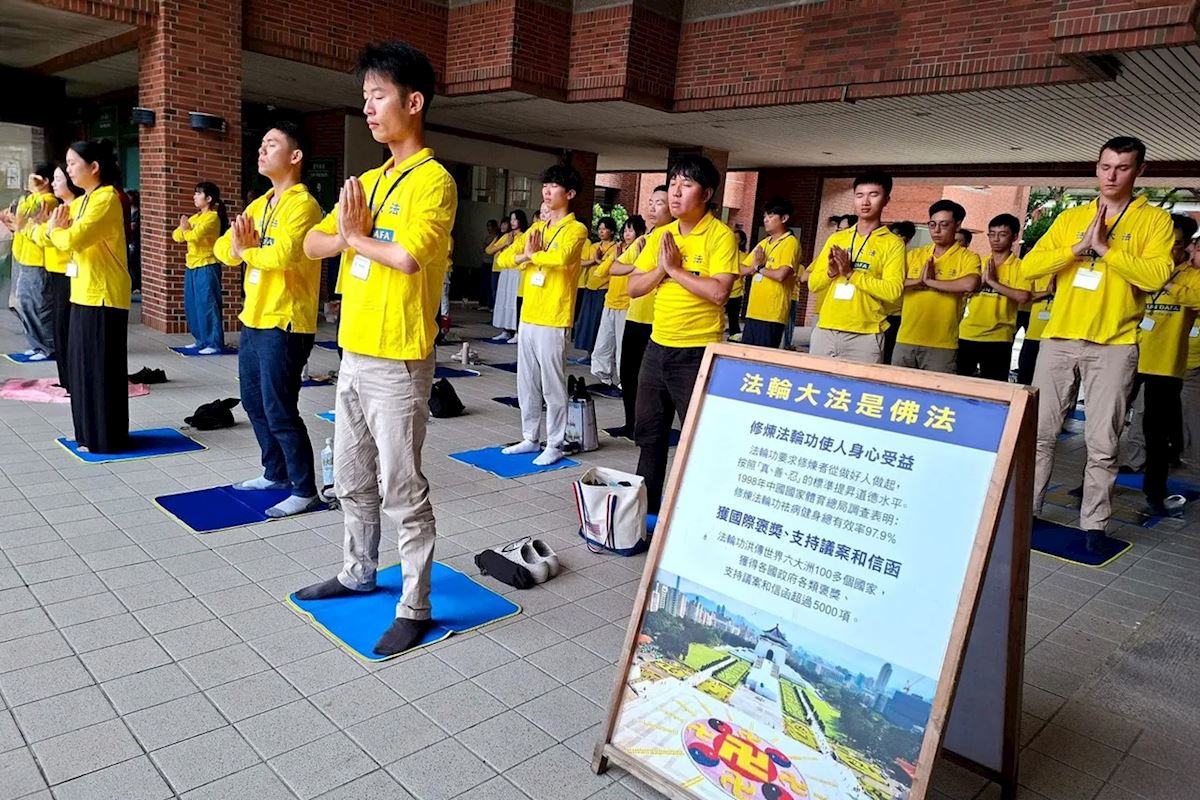
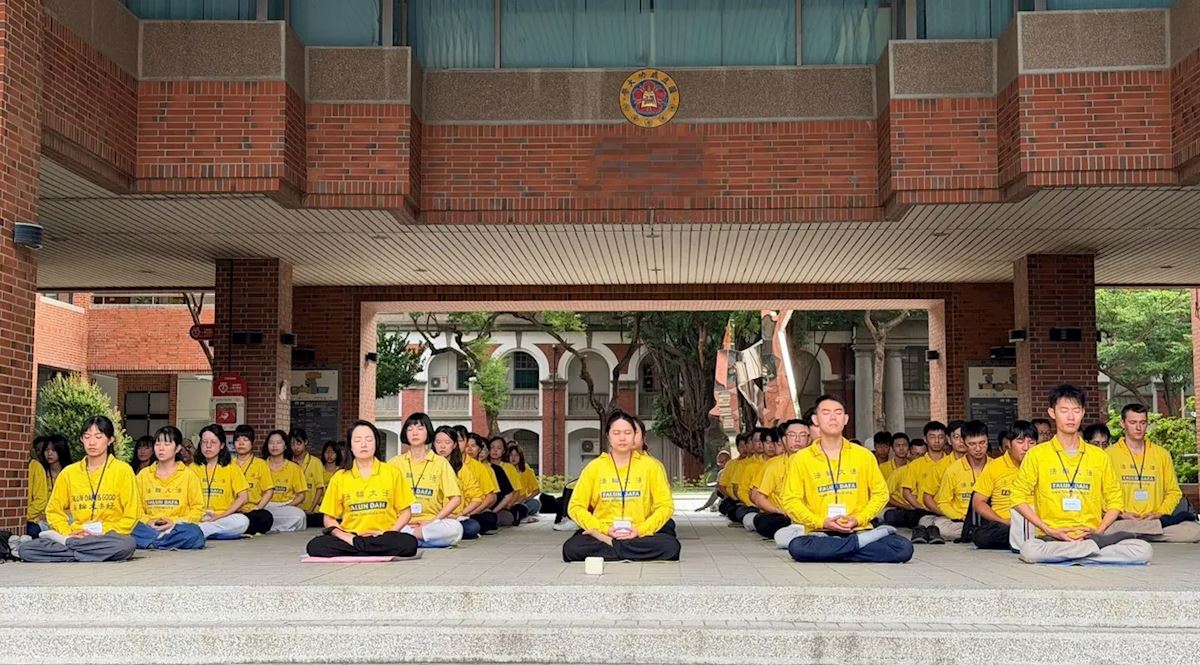 Young practitioners did the exercises at the camp. (Minghui.org)
Camp participants ranged in age from 13 to 40, and included middle school, high school, and college students, as well as working professionals. They discussed common cultivation issues faced by young people at different stages of their education, employment, interpersonal relationships, and lives.
Some topics included looking inward, cultivating one’s character, eliminating human notions, and cooperating with other practitioners. The participants said these discussions helped them gain better understandings of Falun Dafa’s teachings, and helped them let go of various attachments.
From an Engineer to a Media Professional
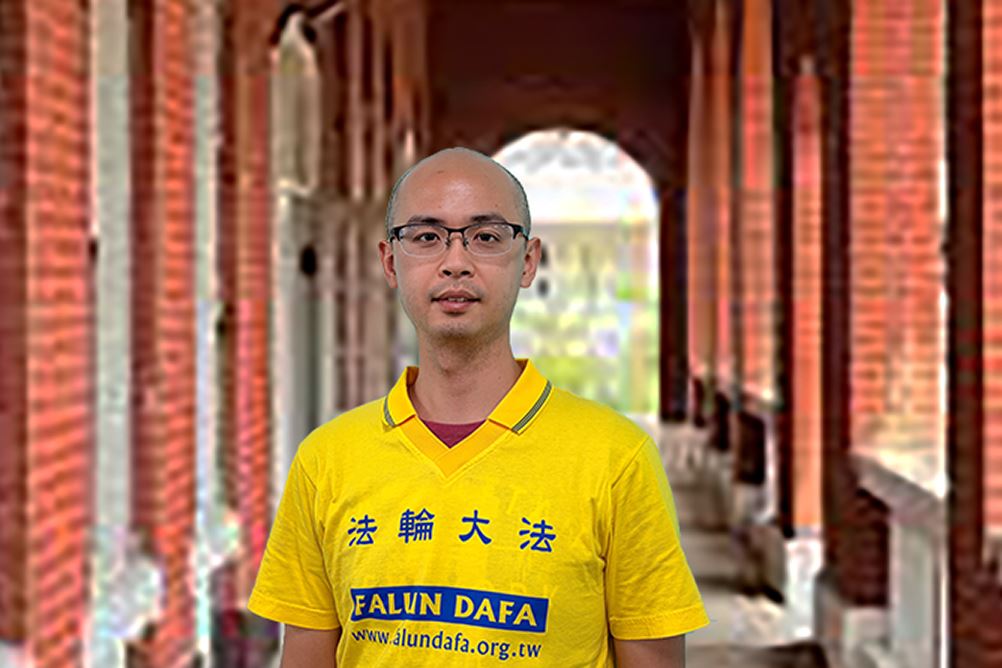 Yang Junhao (Minghui.org)
Yang Junhao said he had often thought about the meaning of life. He now understands that practitioners should constantly improve themselves through cultivation and strive to return to their true selves, by reading the Fa (teachings), doing the exercises, and eliminating their attachments.
A friend told Yang about Falun Dafa in 2017. After he began practicing, he found that his strength increased and his thoughts became clear—he was able to face challenges in life with a positive attitude. “Falun Dafa teaches people to be good and to improve themselves, but it also places high demands on practitioners,” he said. He realized that if he wanted to rectify himself, he had to examine every thought.
After entering the workforce, in order to fulfill his wish to assist Master in saving people, he switched from being an engineer at Hsinchu Science Park, to working full-time in the media. When the team had disagreements, his suggestions were rejected, or a situation seemed hopeless, he always remembered that he was a cultivator. “Instead of just looking at what I did well, I should also pay attention to where I can improve.” He chose to put aside his ego and cooperate with the whole group by understanding the perspectives of others.
“I am grateful to the camp for creating an environment where young practitioners can learn from each other, allowing us to cultivate together,” Yang said, adding that this was the third time he’s participated. During the group sharing, he said he felt the videos made by fellow practitioners were too secular and could not convey the truth about the persecution or save people. Through in-depth discussions, he realized that his thinking was incorrect, and that he should be kind to others and eliminate his negative and critical thoughts. He said he would strive to reflect on himself and understand others.
Breaking Free From Obsessive TV Drama Watching
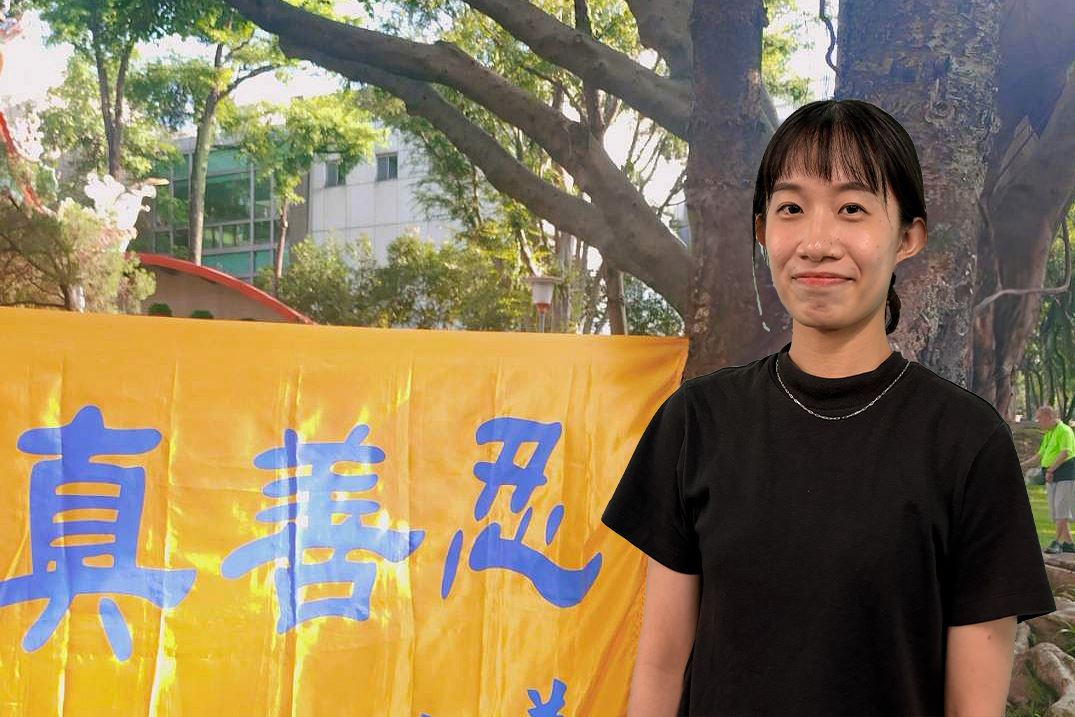 Qiu Xinyu said she stopped watching TV dramas and remembered why she cultivated. (Minghui.org)
Qiu Xinyu began practicing Falun Dafa with her mother when she was young, and she later studied dance at Niaosong Arts High School. She studied the Fa and practiced the exercises under the guidance of her teachers and friends. She said, “I am a serious person. When I saw others slacking off, I reminded myself to stay focused.”
After she entered the university and settled into the free and open university campus, she told herself that she needed to improve. However, the variety of university life shook her resolve to cultivate. She gradually began scrolling through her phone, watching dramas, and reading anime, which became her way of relaxing.
After she graduated, the pressure of working at a coffee shop became a major test for her, “Why is it all my fault?!” The heavy workload and endless nagging and criticism left her extremely frustrated. Looking inward, she realized “There are no easy things in life, and isn’t enduring hardship and taking responsibility a great thing?” Her perspective changed a week before the youth camp.
“It felt so good to be fully immersed in Dafa at my first youth camp!” Qiu said. “We study the teachings, do the exercises, and send forth righteous thoughts together, and share our experiences of overcoming tribulations. This is a rare opportunity.”
She added, “The exchange on emotional issues left a deep impression on me. Watching dramas can actually trigger lustful obsessions! I will definitely quit watching dramas on my phone, and I will try my best to let go of attachments to fame, fortune, and emotions.”
College Student Makes a Breakthrough
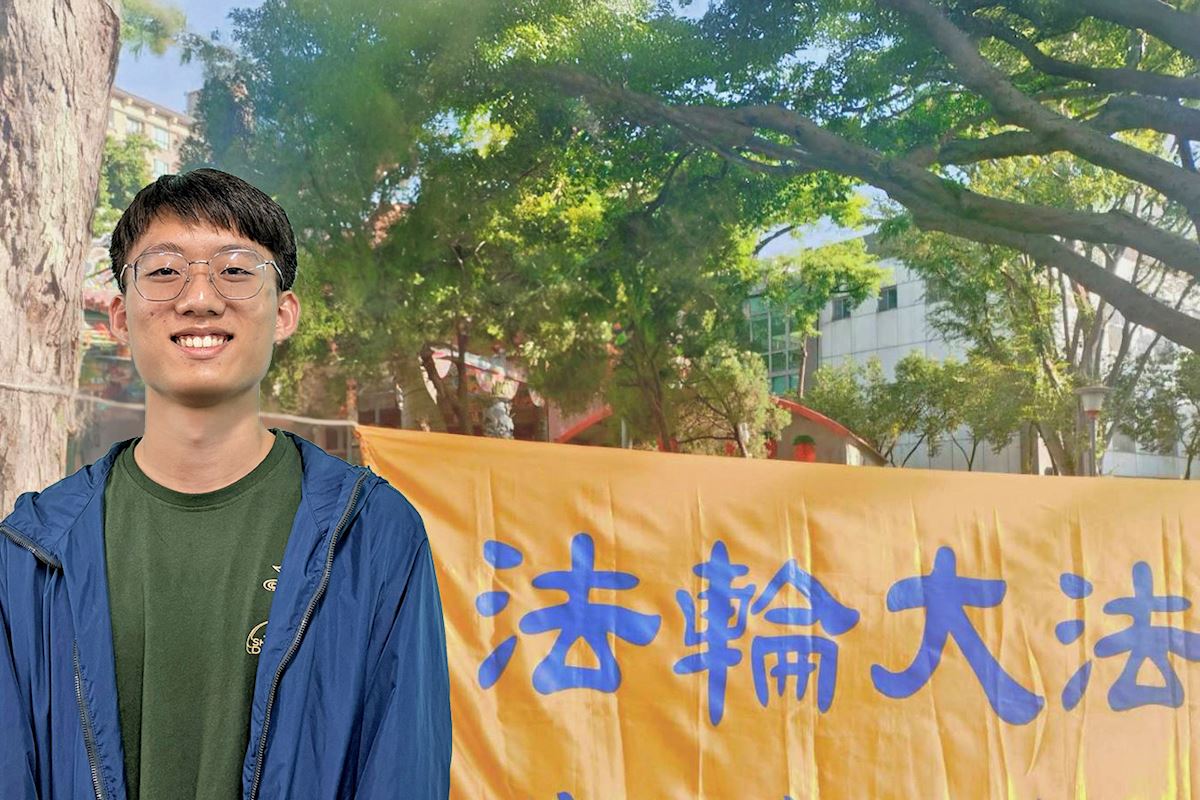 Gao Zhongwei said setting aside ego was his biggest gain from this camp. (Minghui.org)
This was the first time Gao Zhongwei attended the youth camp. He will soon be a college sophomore, and he learned about Falun Dafa from his father during his second year of middle school. “I feel that Dafa is miraculous. Every time I do the exercises I feel very energetic, as if I’m a different person,” he said. “The first time I read Zhuan Falun, I felt what Master said was absolutely true, and I accepted it completely.”
When Gao graduated from high school, he was in charge of preparations for the graduation ceremony, and had some complaints about some classmates who delayed the process. By studying the Fa and looking inward, he discovered that he was being selfish.
Gao helped order meals for the youth camp, and he discovered this was also a test of his character. When there were discrepancies in the amounts, he was a bit worried, and even afraid. “I was afraid that the others would think I didn’t know how to do things. But once I identified my attachments the problem was easily solved. It turned out that I entered an extra number on the form. It was a breakthrough experience,” he said.
Gao said his biggest gain while attending camp was realizing that his human notions protected him and fostered selfishness. “I have to become altruistic and think of others. We should not forget that we are cultivators. We need to look inward and eliminate our selfishness,” he said.
Rediscovering Why We Cultivate
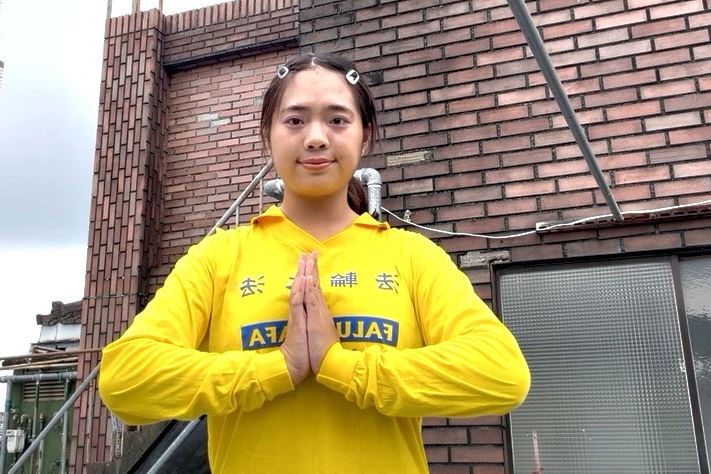 Yeh Yu-ling said she rediscovered what inspired her to cultivate. (Minghui.org)
Yeh Yu-ling, who is about to enter her junior year of college, grew up in a family of cultivators. She wanted to transfer to a school in the United States to escape a conflicted friendship, but the process was fraught with difficulties. She later realized that the difficulties arose because her starting point was wrong.
She also realized from a cultivation perspective that it’s best to let things unfold naturally, and not be bothered by the way the other person acted. It’s better to simply be kind and not expect anything in return. Facing difficulties calmly or letting them go is also a form of compassion.
When Yeh encountered some issues while helping out at the camp she considered them from a cultivation perspective, thinking that it might be a test to overcome her impatience, fear of trouble, fear of problems, or jealousy. The problems were all resolved smoothly. “It was quite a special experience,” she said.
Yeh said that participating in the youth camp was inspiring. “I rediscovered what I truly wanted, and I became clearer about my mission and goals. Seeing so many fellow practitioners working diligently on the path of cultivation, I felt that I needed to keep up with everyone, keep up with the Fa-rectification process, and walk my own cultivation path well,” she explained. “I seem to have rediscovered my motivation for cultivation, and my mind is clearer.”
Remembering to Look Inward
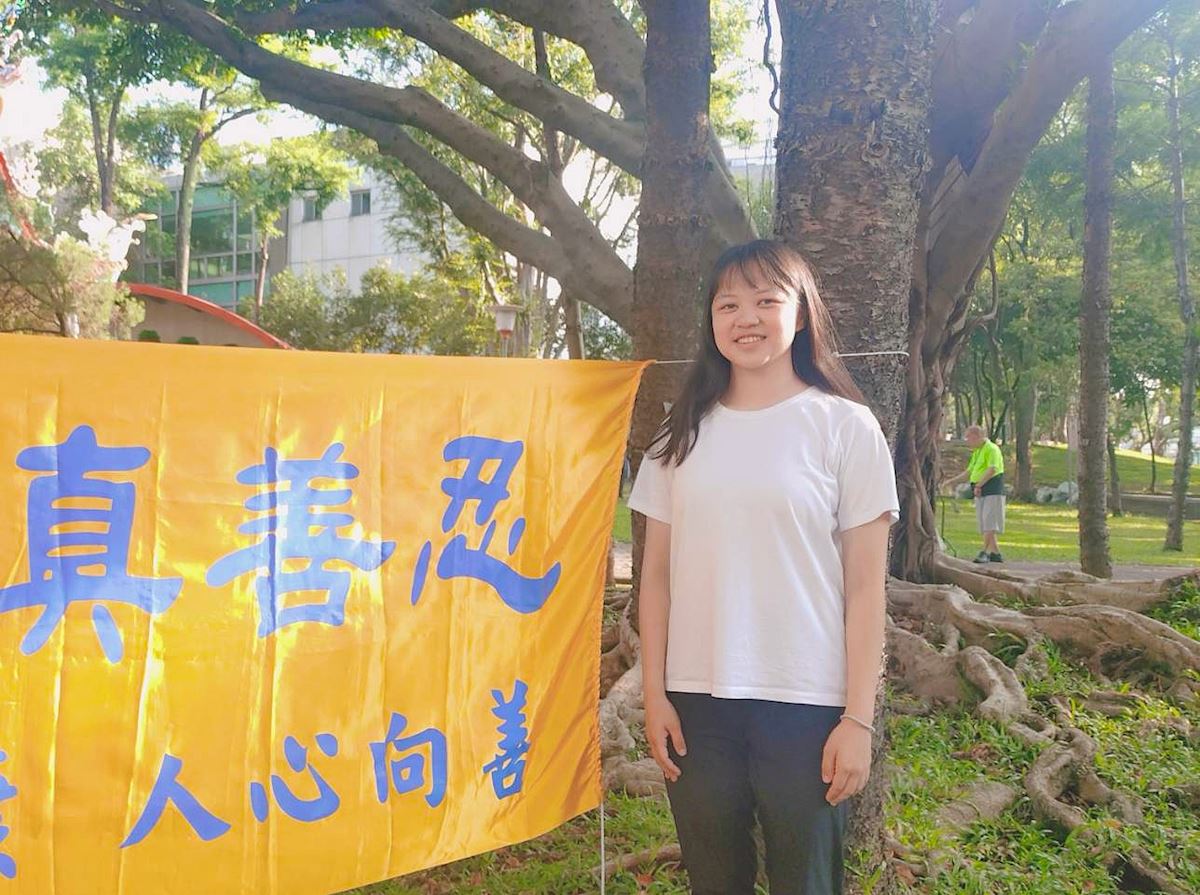 Tsai Chih-han (Minghui.org)
Tsai Chih-han, a recent college graduate who is preparing to pursue graduate studies, was born into a family of Falun Dafa practitioners. She attended the Niaosong Arts School during middle and high school, where she had a stable cultivation environment for studying Dafa and practicing the exercises. Participating in this youth camp helped Yeh further understand the root of her long-standing fear. “It’s all because I was putting ‘myself’ first,” she said.
Tsai said that she used to hesitate to participate in group activities because she was afraid of communicating, afraid of not speaking well, and concerned about losing face. She lacked confidence, and dared not try new things. She also discovered that she had a tendency to discriminate and worry.
When these fears and attachments were discussed at the camp she found that they disappeared as they were exposed. Tsai said, “The youth camp is like a crash course for learning. Through exchanging thoughts with fellow practitioners, I saw my own attachments. After comparing myself to them, I knew that I needed to do better in the future,” she explained. “Our kindness should not be about asking others to be good to us, but about becoming better persons ourselves.”
From new graduates to university students, from facing interpersonal conflicts to letting go of ego, their different life experiences shared the same insights into cultivation. The two-day youth camp, though brief, allowed the young participants to inspire each other through discussing their experiences and to cherish the environment for cultivation practice. With new insights and unwavering faith, they say they are determined to continually improve.
Copyright © 1999-2026 Minghui.org. All rights reserved.